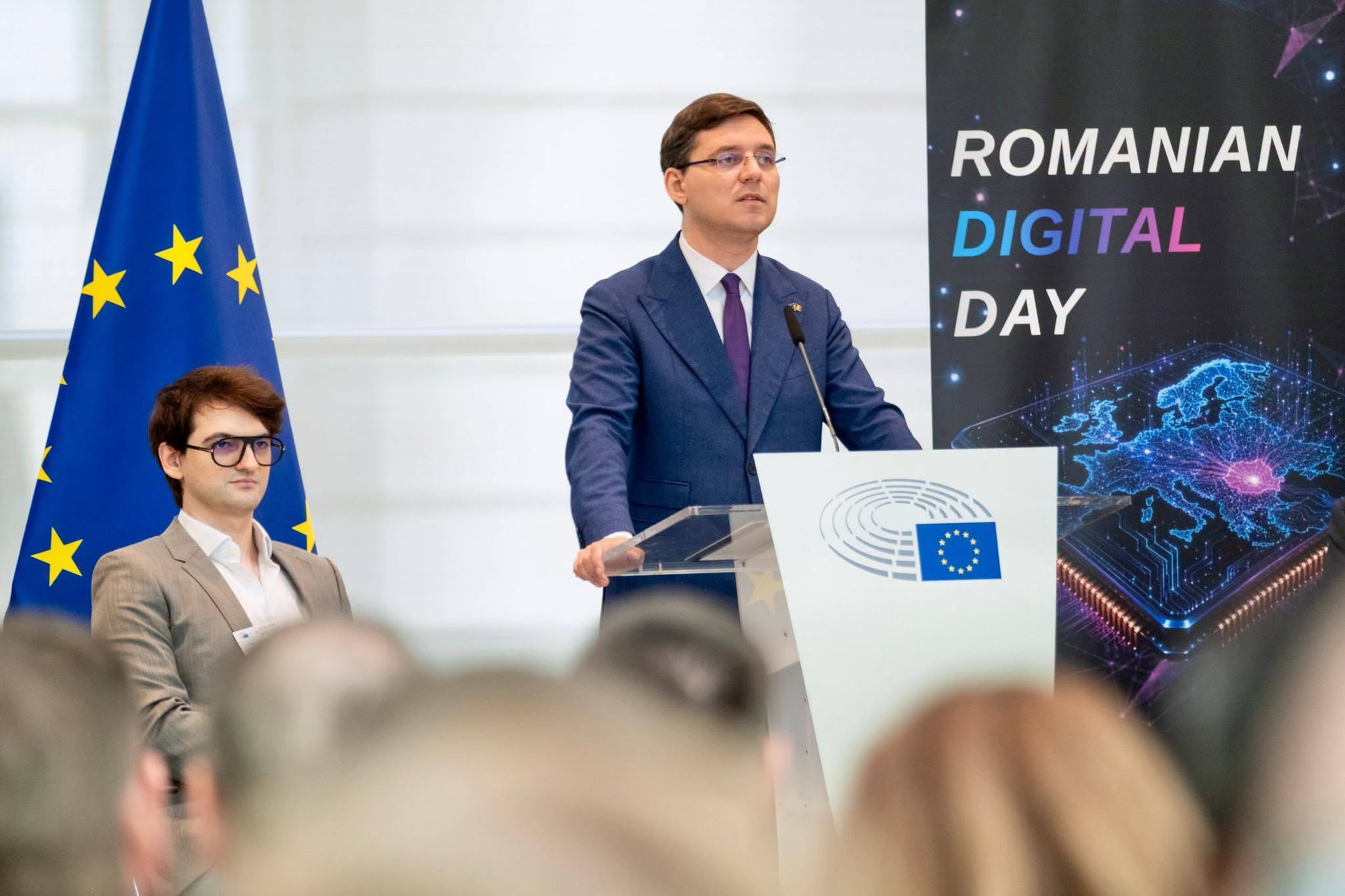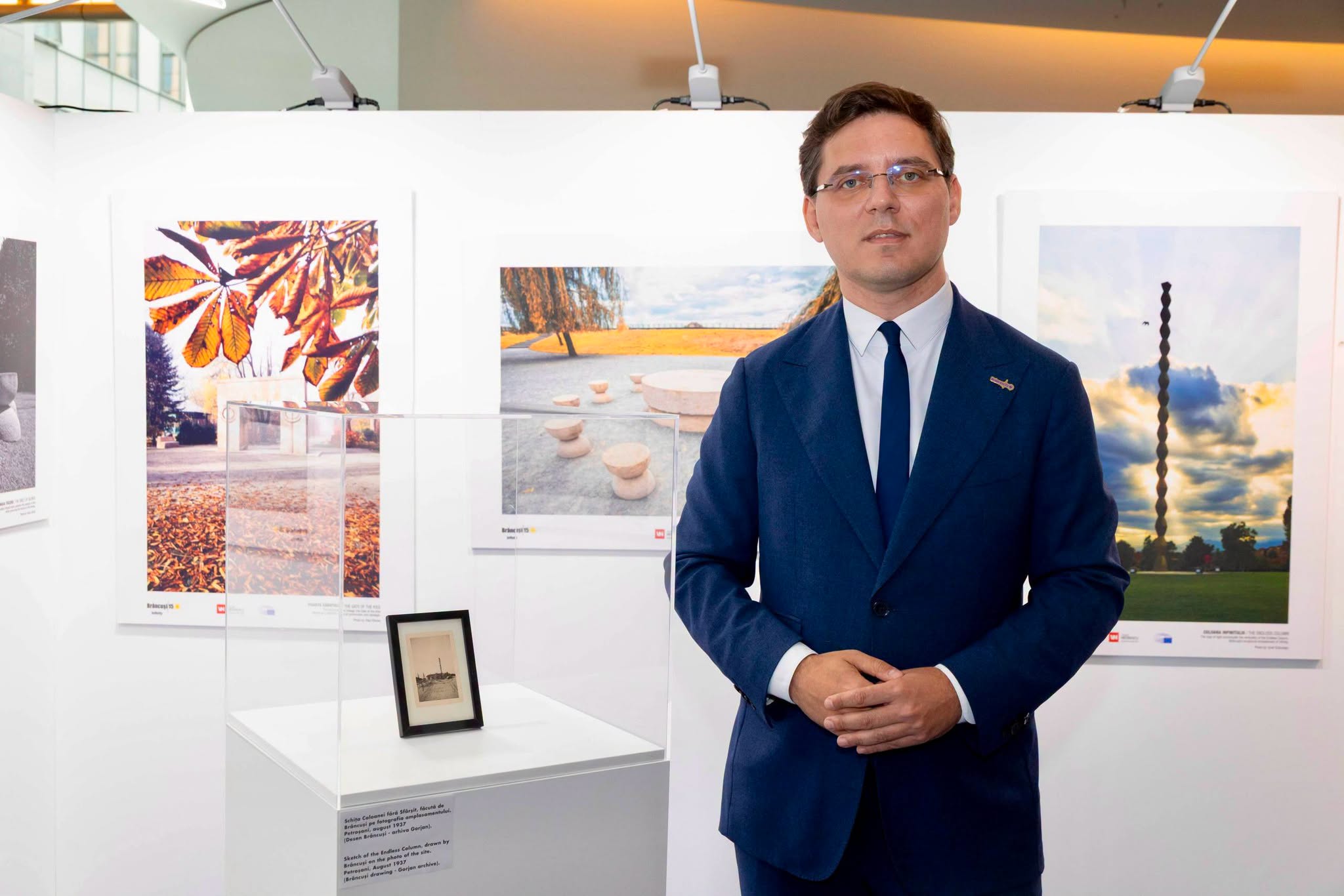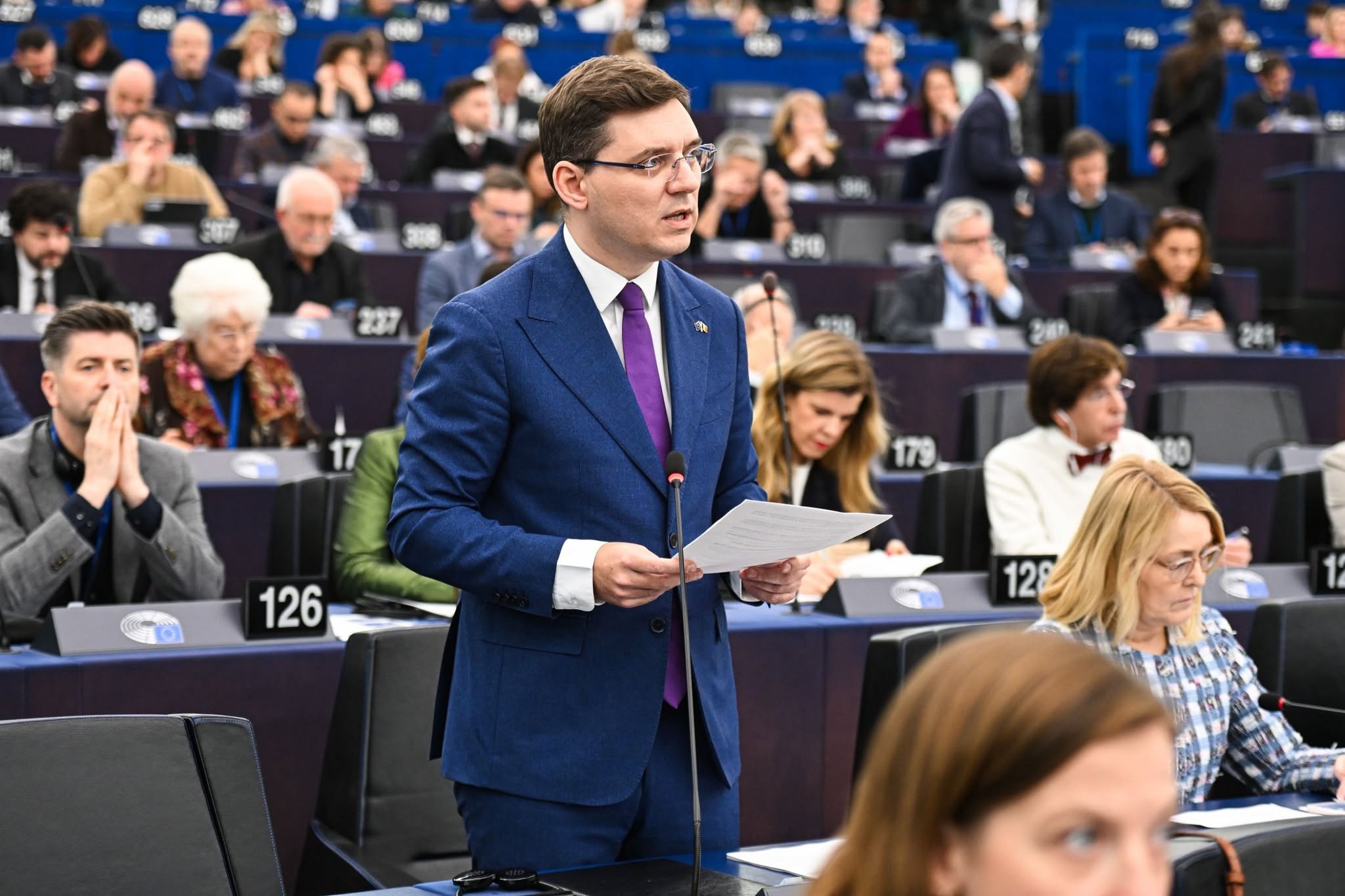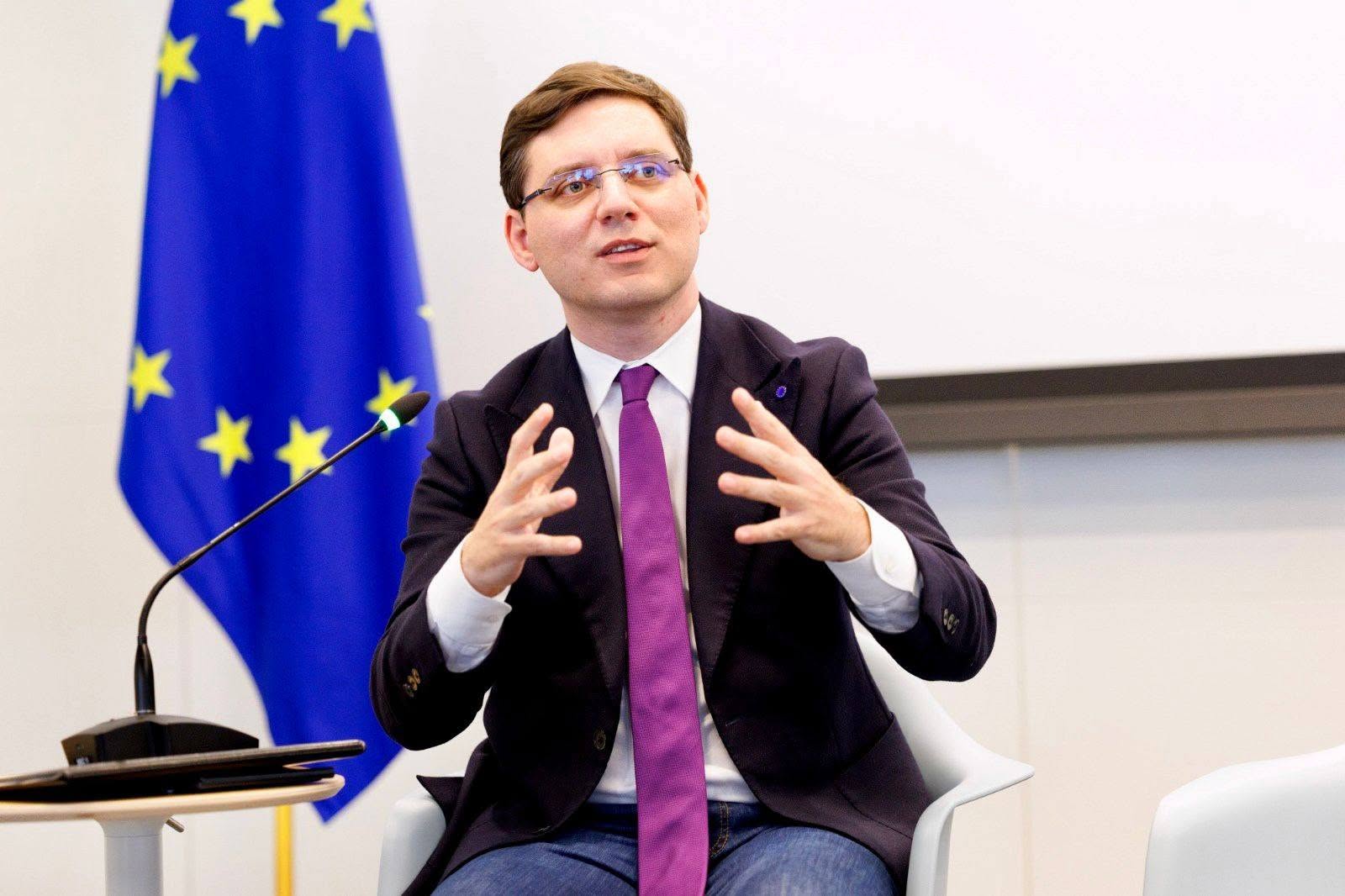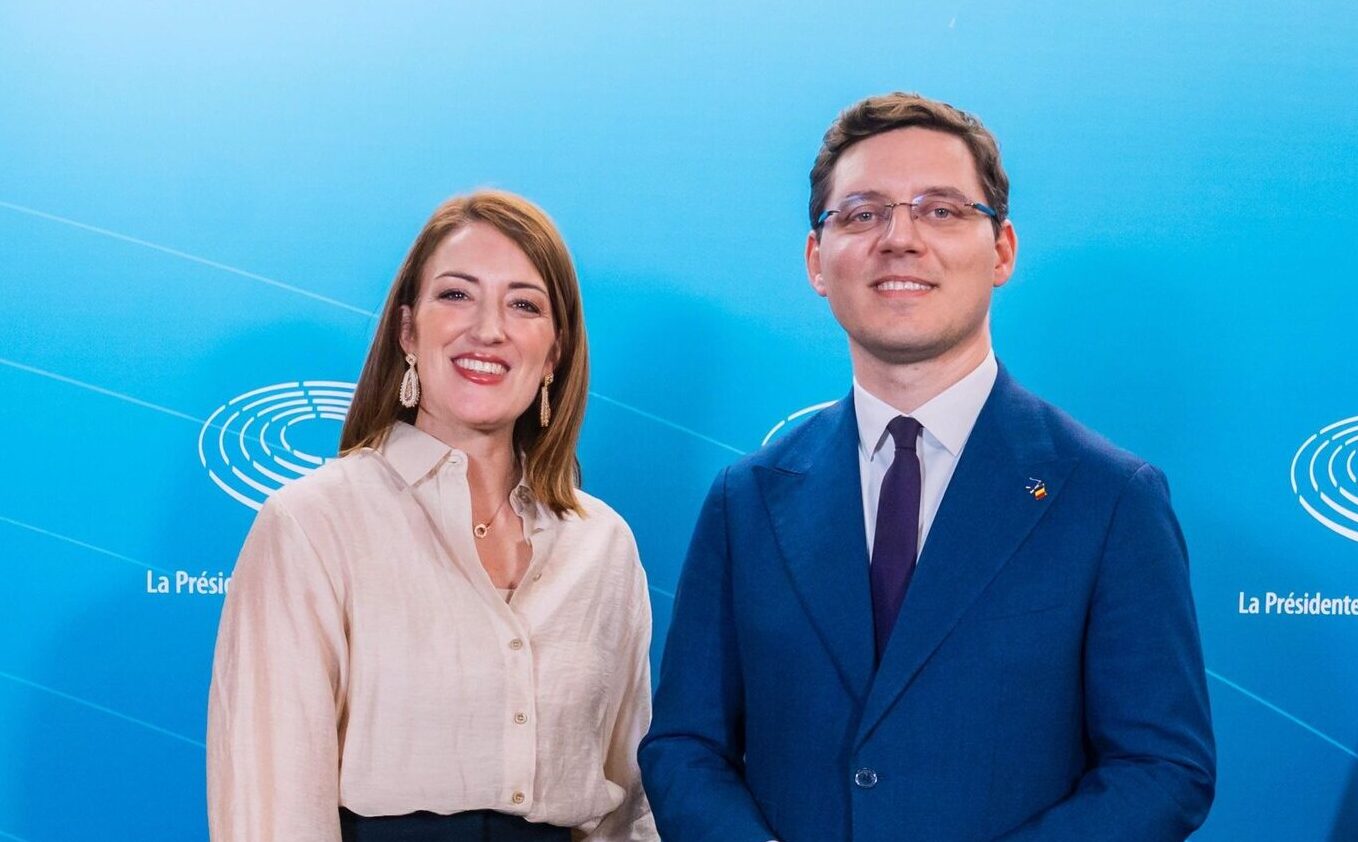
Victor Negrescu, Vice-President of the European Parliament and coordinator of the Reflection Group on the Future of the European Parliament, has set together with the political groups the main topics for analysis. The Reflection Group was created at the Vice-President initiative, with the aim of launching a broad reflection on how the European Parliament should evolve in order to respond to new political, institutional, and geopolitical challenges.
”It is an honor and a responsibility to coordinate this important process at the level of the European Parliament”, the MEP emphasized.
The topics that will be addressed are as follows:
- Strengthening the role of Parliament in initiating European policies;
- Strengthening democratic control in a Union with increasingly rapid decisions and stronger executive powers;
- Simplifying and speeding up the legislative process, with Parliament at the center and more transparency for citizens;
- The impact of EU enlargement on internal functioning and institutional efficiency;
- Democracy in the digital age and artificial intelligence;
- The functioning of Parliament in crises.
”The goal is clear: a more efficient European Parliament that is closer to citizens”, said Vice-President of the European Parliament Victor Negrescu.
The coordination of this reflection and foresight process by Victor Negrescu takes place in a complex international context, marked by geopolitical tensions and major challenges for European democracies.
Present at the event organized by the European Parliament Research Service (EPRS) on ”10 issues to watch in 2026”, Victor Negrescu pointed out that ”2026 is likely to be a turning point in international politics.”
”Security is no longer a theory. War on the EU’s borders, hybrid attacks, and disinformation call for firm decisions. At the same time, democracy and the welfare state are under pressure. We need a Europe that defends common rules, fundamental rights, and social cohesion. 2026 will also be decisive for the European economy and the post-2027 budget”, emphasized the Vice-President of the European Parliament.
The Reflection Group on the Future of the European Parliament is set to present by the autumn of this year, the first analysis regarding the evolution of the European legislature and how it can adapt to new political, institutional, and geopolitical challenges.