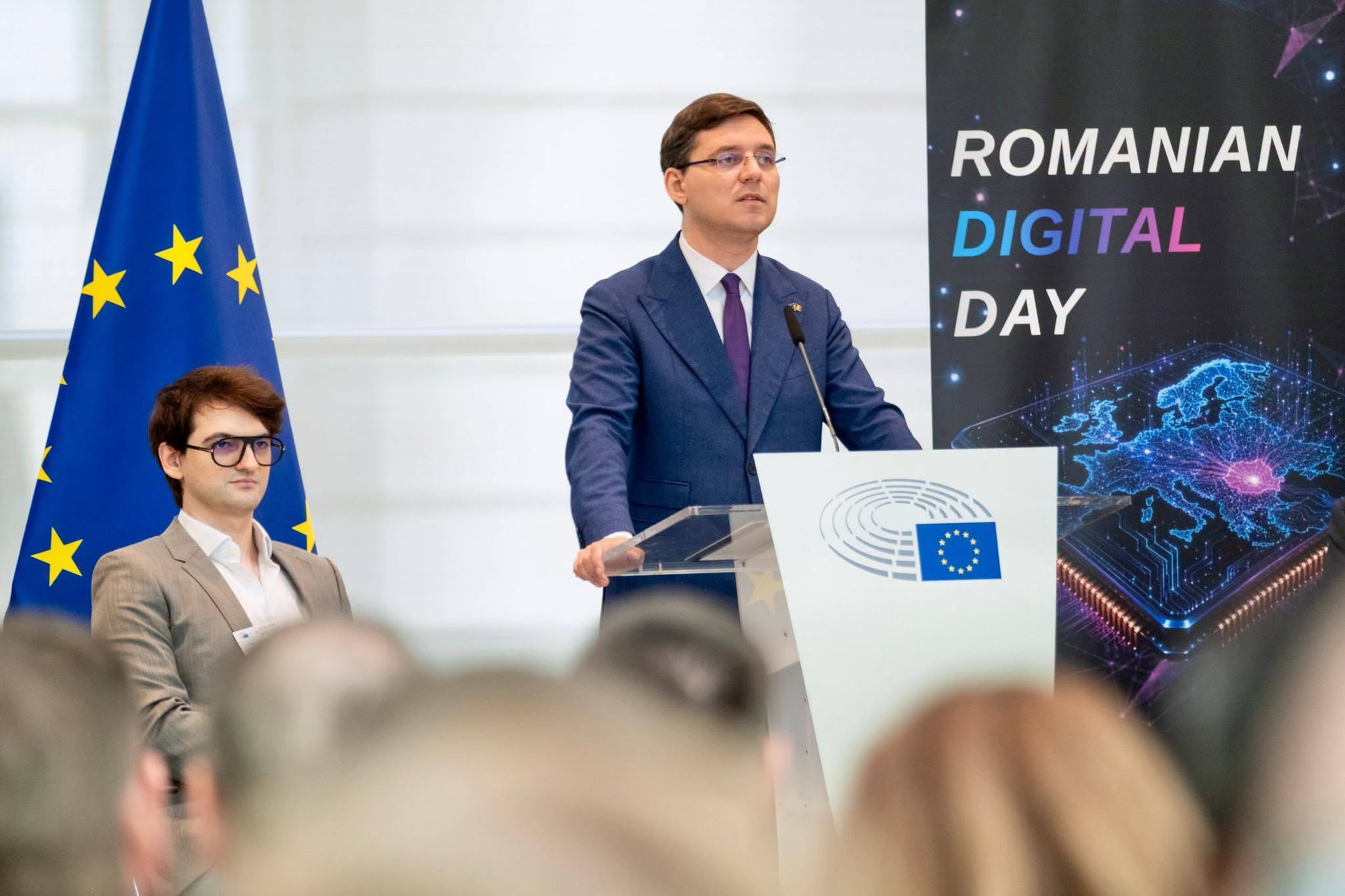
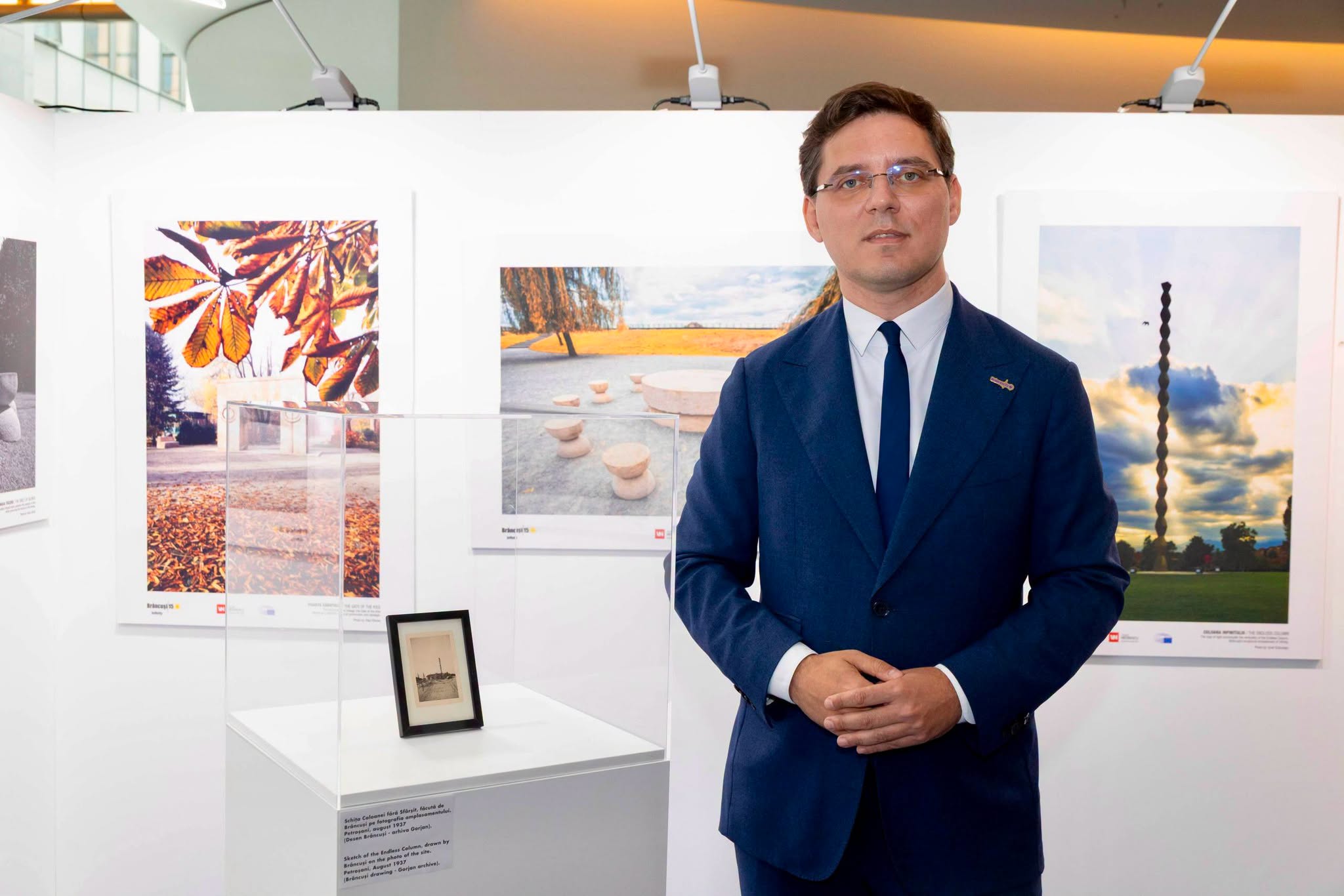
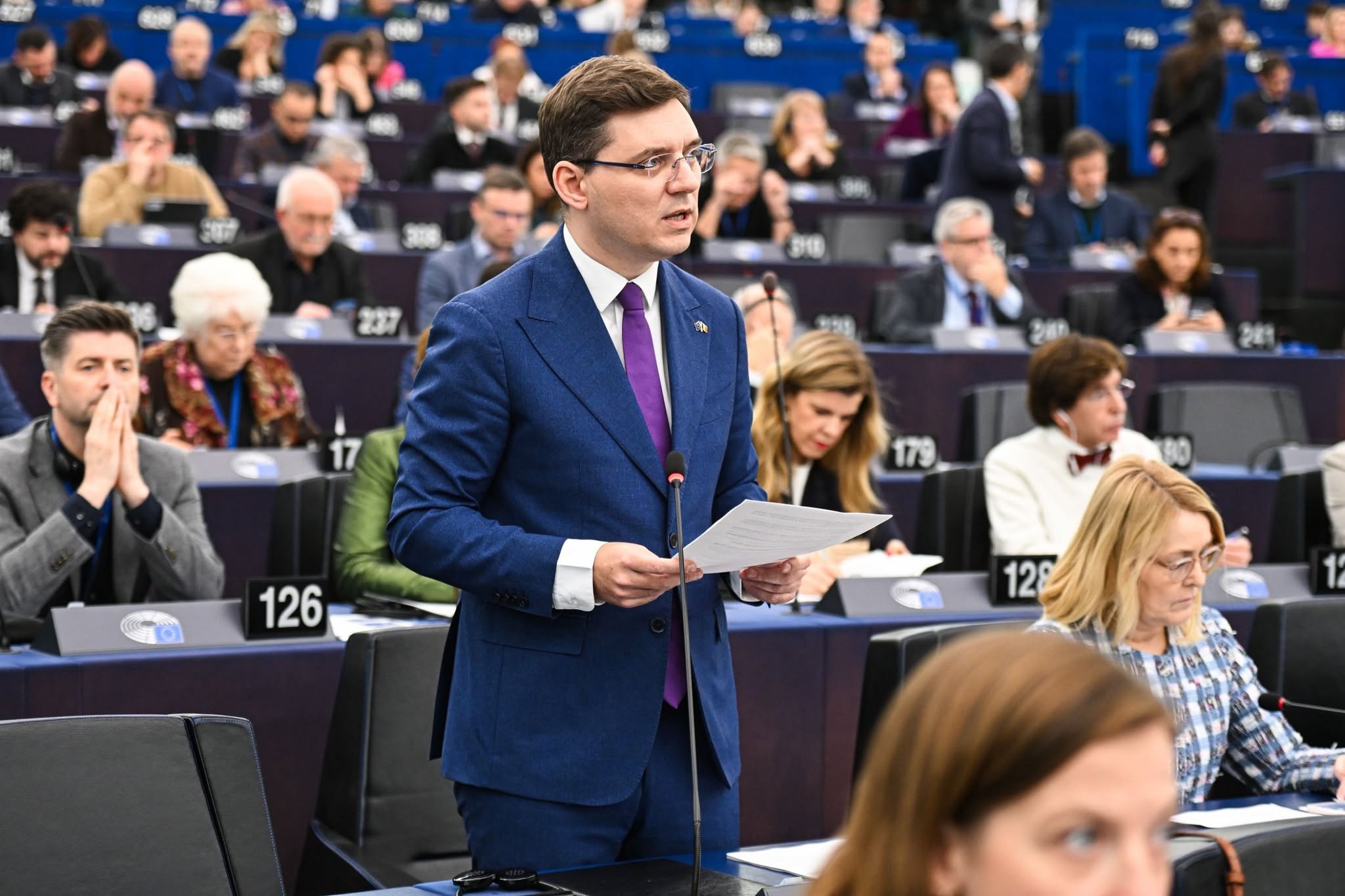
The Vice-President of the European Parliament, Victor Negrescu, announces the main directions he will pursue in the new legislative session, which begins in September with the debate on the State of the Union.
In a tense geopolitical context and amid profound technological and economic changes, the MEP outlines the key areas in which he will continue to make efforts for the benefit of European citizens, while also strengthening Romania’s profile as a provider of solutions in major European and international dossiers.
1. The Future Multiannual Financial Framework (MFF) for 2028–2034
To build a strong Romania within a European Union prepared for the future, Victor Negrescu proposes three general measures for the next MFF:
- A sustainable revenue system;
- More budgetary flexibility;
- A rapid and efficient crisis response mechanism without affecting essential programs.
Given Romania’s proximity to the war in Ukraine and the need to balance defense spending with social welfare, MEP Victor Negrescu commits, during debates on the 2028–2034 MFF, to focus on:
- A firm rejection of a two-speed Europe by defending cohesion and agricultural funds. Victor Negrescu rejects the European Commission’s proposal to merge the EU’s traditional policies—vital for Romania’s development—the Cohesion Policy and the Common Agricultural Policy—into “mega-funds” conditioned by reforms and investments, to be accessed through national and regional plans, following the RRF model. He continues to push the European Commission for guarantees that this budgetary architecture will strengthen, not weaken, cohesion.
- A categorical NO to an MFF that leaves Romanian farmers behind. The MEP demands clear allocations and fair subsidies, at the same level as other European farmers.
- Preparing the future of Europe and Romania through education and skills. As initiator and co-chair of the Intergroup on the Future of Education and Skills, Victor Negrescu gives special priority to this area. Author of the Education Manifesto, he calls for at least 20% of the future long-term EU budget (MFF) to be allocated to education and training, the exclusion of education investments from deficit rules (allowing states to invest without fear of sanctions), a dedicated fund for education and skills in the future InvestEU, and a fivefold increase in the Erasmus+ budget, in line with Mario Draghi’s proposals.
- A European defense policy that prioritizes funding for Central and Eastern European states, since these countries, including Romania, directly feel the pressure of war and hybrid threats. Victor Negrescu stresses that this policy should be implemented through “smart investments,” fully accessing all available opportunities for defense, infrastructure, and digital transition, including the SAFE program, the European Peace Facility, InvestEU, and innovation mechanisms, considering the complex nature of the threats. Recently, Commission President Ursula von der Leyen responded positively to a letter from MEP Victor Negrescu calling for greater attention to frontline states.
2. The 2026 Budget: Key Pilot Projects for Romania
Victor Negrescu, the MEP with the highest number of approved pilot projects and preparatory actions, worth over €100 million, continues this year with new initiatives not covered by EU actions, through which Romania and key sectors can directly benefit from additional European funds.
For next year’s EU budget, Victor Negrescu has proposed three key pilot projects for Romania, in areas such as tourism, the cultural sector, and extending EU actions to neighboring countries, including the Republic of Moldova.
Among them:
- A pilot project dedicated to long-distance trails, designed to highlight the principles of the social economy supporting local community development, especially in rural areas, thereby promoting tourism and creating bridges between communities. The goal is for Via Transilvanica to become a European best-practice model and to receive direct support from European institutions. This would be the first time Via Transilvanica obtains EU funds.
- A project for the digitization of Europe’s cultural heritage, aligning heritage with Europe’s digital transformation and bringing Europe’s tangible and intangible legacy into the homes of all Europeans.
- Another pilot project, initiated as Vice-President responsible for relations with the Republic of Moldova, seeks to extend the European Heritage Hub to neighboring countries, including Moldova, thereby highlighting shared Romanian history, language, and culture.
3. Simplification through Omnibus
To ensure a predictable legislative climate for Romanian entrepreneurs and investors, Vice-President Victor Negrescu proposes a set of simplification measures, inspired by the omnibus model:
- Standardized and digital forms: fewer papers, more clarity;
- A single reporting system: no double checks between national and EU authorities;
- Clear guidelines valid for the entire project duration: no rule changes midway;
- Predictable deadlines for evaluation and payment, so beneficiaries do not have to wait months for responses or reimbursements.
4. Strengthening Romania’s Influence in the EU by Supporting the European Cybersecurity Competence Center and Romanian-Led Agencies
In the negotiations on the future MFF, Victor Negrescu commits to supporting the expansion of the European Cybersecurity Competence Center’s presence in Romania, “to turn this opportunity into a long-term advantage” for the country.
“For me, defending the national interest means setting concrete goals and fighting for them. This European center in Bucharest is proof that Romania can count and play a leading role in strategic areas,” Victor Negrescu emphasized, recalling that he had campaigned for such a center in Romania since 2018.
As Vice-President of the European Parliament responsible for anti-corruption and transparency, he will continue to directly support anti-corruption mechanisms, including in cooperation with the European Public Prosecutor’s Office.
He will also continue his close collaboration with Romanian directors in the European Labour Authority and the European Union Agency for Railways, supporting their efforts to strengthen these EU bodies.
5. Transforming the European Parliament to Increase Trust in Its Functioning
As Vice-President responsible for research services, Victor Negrescu launched a foresight study on the future of the European Parliament, approved by the Bureau of the Parliament. The initiative aims to increase trust in the European Parliament by analyzing the opportunities and challenges the institution may face over the next 15 years.
The research will be guided by a dedicated working group, coordinated by the Romanian MEP, in cooperation with EP President Roberta Metsola. The analysis will provide a better understanding of the administrative reforms needed to strengthen institutional capacity and adapt the European Parliament to possible future developments.
The study also comes in the context of EU enlargement, a strategic priority with direct implications for the European Parliament’s mandate configuration and EU public finances.
The European Union is, above all, a union of values; therefore, this initiative also aims to strengthen parliamentary diplomacy, identifying new like-minded partners ready to join the EU in defending democracy, the rule of law, freedom, and fundamental rights.
6. Maintaining Health Funds and Reducing Disparities
As a member of the Public Health Committee, Victor Negrescu will advocate in the 2025–2026 legislative session for prioritizing health and placing it at the center of the EU’s strategic investment agenda, stressing that health represents “Europe’s insurance policy” for sustainable innovation, job creation, and economic sovereignty.
His priorities include:
- Increasing health allocations in the 2026 EU budget to strengthen prevention, treatment, infrastructure, and healthcare services;
- Developing a comprehensive plan against cancer, cardiovascular diseases, and to protect children’s health, in cooperation with experts and organizations;
- Dedicated measures for children and vulnerable groups, with a focus on equity and universal access;
- Expanding telemedicine tools and promoting prevention;
- Reducing access gaps in rural areas, building on the pilot program he secured for Romania, which directed over €1 million to rural healthcare;
- Pushing for an EU plan on the healthcare workforce crisis to address brain drain, “medical deserts,” and ensure fair access to modern treatments, while supporting medical schools and continuous training;
- Continuing efforts to create a European platform for employee mental health, after securing additional 2025 budget funds for psychological support, accessible counseling, and prevention measures;
- Preserving the EU4Health program as a distinct instrument in the next MFF (2028–2034), to reduce disparities and provide real solutions to citizens.
7. Proper Implementation of the NRRP
In the new session, Victor Negrescu will continue to advocate for the proper implementation of National Recovery and Resilience Plans (NRRPs) so that EU-funded investments are completed and deliver real results. As rapporteur in the Budget Committee, he led the EP report that saved many NRRP projects by enabling transfers/phasing into other EU programs and called for an 18-month extension of funding for mature projects. This is crucial for Romania, which has so far received only €10.74 billion out of the €28+ billion approved.
His 2025–2026 priorities include:
- Full and transparent implementation of NRRPs in all Member States;
- Convincing the Council to extend funding deadlines for mature projects;
- Accelerating RRF implementation by applying EP report recommendations for flexible procedures and allowing unfinished projects to be transferred to other EU funds (Cohesion Fund, EIF, new Competitiveness Fund);
- More transparency and simpler access to financing for local/regional authorities;
- Adapting plans to local needs with the involvement of social partners and civil society;
- Enforcing the 10% NRRP education allocation—an amendment introduced by Negrescu in 2021, now generating over €70 billion for education across Europe, supporting 30+ million people with training, digital courses, and modernized schools. Romania alone has about €3 billion for education through its NRRP, funds that must not be lost.
8. Education, a Cross-Cutting Priority
As initiator and co-chair of the Intergroup on the Future of Education and Skills, gathering around 100 pro-European MEPs, Victor Negrescu will continue to promote education and lifelong learning in all parliamentary committees, pushing for a cohesive European Education Area.
His goals include:
- A European Plan for Education and Skills, a reference framework integrating resources and setting clear goals adapted to Member States’ needs;
- At least 20% of the next MFF for education and training;
- A dedicated fund for education and skills in InvestEU;
- Prioritizing education in the European Social Fund and NRRPs;
- Promoting education as a strategic development vector: digitalized schools, teacher training, reduced dropout, and investment in infrastructure;
- Ensuring a special financial allocation for education in the next long-term EU budget (2028–2034), ideally as a European Education Plan;
- Excluding education investments from deficit rules;
- Monitoring through the European Semester with clear indicators for equity, quality, and reducing skills gaps;
- A fivefold Erasmus+ budget increase, since even a tripling would only maintain current insufficient capacity.
Europe needs around €40 billion annually in education and training to ensure cohesion and equal opportunities, avoid fragmentation, and maintain competitiveness. Only a cohesive approach will allow the EU to preserve its economic strength and offer fair opportunities to all young Europeans.
9. Increasing Transparency and Fighting Corruption in EU Institutions
As the first Vice-President of the EP responsible for transparency and anti-corruption, Victor Negrescu will push in 2025–2026 for stronger mechanisms that enhance EU institutions’ credibility and integrity.
His focus areas:
- Greater transparency in decision-making, public access to documents, clear rules for lobbying;
- Stronger ethics and compliance systems for swift prevention and sanctioning of misconduct;
- Unified integrity standards for all MEPs and officials, including clear declarations of interests and income;
- Consolidating the EP as a model of anti-corruption best practices, based on openness to citizens;
- Supporting cooperation with other EU institutions and independent bodies on updating anti-corruption mechanisms, building on the EP–EPPO cooperation agreement;
- Strengthening funding for EU police and justice agencies to boost their efficiency and citizens’ trust;
- Monitoring the EU Transparency Register, a key tool to ensure lobby groups declare their interests and resources.
10. Supporting the European Path of the Republic of Moldova
As EP Vice-President responsible for relations with Moldova, Victor Negrescu will ensure constant and visible support in 2025–2026 for the country’s European path, accelerating integration and strengthening the EU’s institutional presence.
Key actions include:
- Opening negotiation chapters: advocating for accelerating accession talks by opening the first three clusters—fundamental values, internal market, and external relations—by end-2025, while ensuring progress depends on Moldova’s reforms;
- Supporting the new EP office in Chișinău, a project initiated by Negrescu, to be inaugurated in September with President Roberta Metsola. The office will strengthen EU institutional presence, facilitate direct dialogue with citizens, and support reforms;
- Adopting a new EP resolution on Moldova in early September 2025, as a signal of solidarity against Russian interference, especially during elections, and of firm support for Moldova’s European path;
-
Continuing EU political and financial support so Moldova can access pre-accession funds and EU programs in the next MFF, ensuring citizens feel the benefits of integration through investments in education, infrastructure, social protection, and regional development.