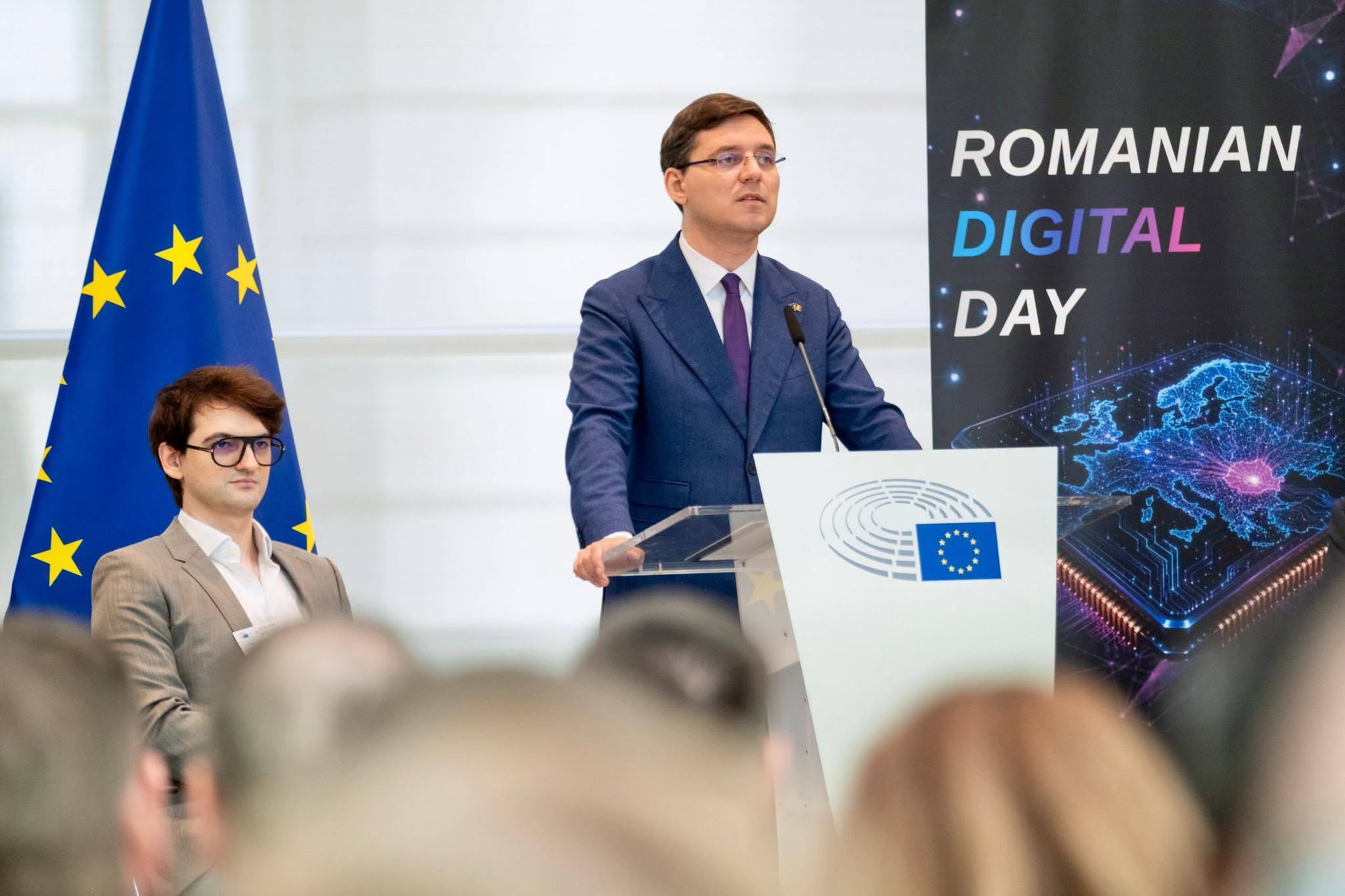
A 2021 amendment, persistently advocated by Romanian MEP Victor Negrescu, has led to a historic investment in education at the European level: over €70 billion from the Recovery and Resilience Facility (RRF) have been allocated to the development of education and skills across the European Union. More than just an impressive amount, this effort has already translated into nearly 30 million beneficiaries across all member states.
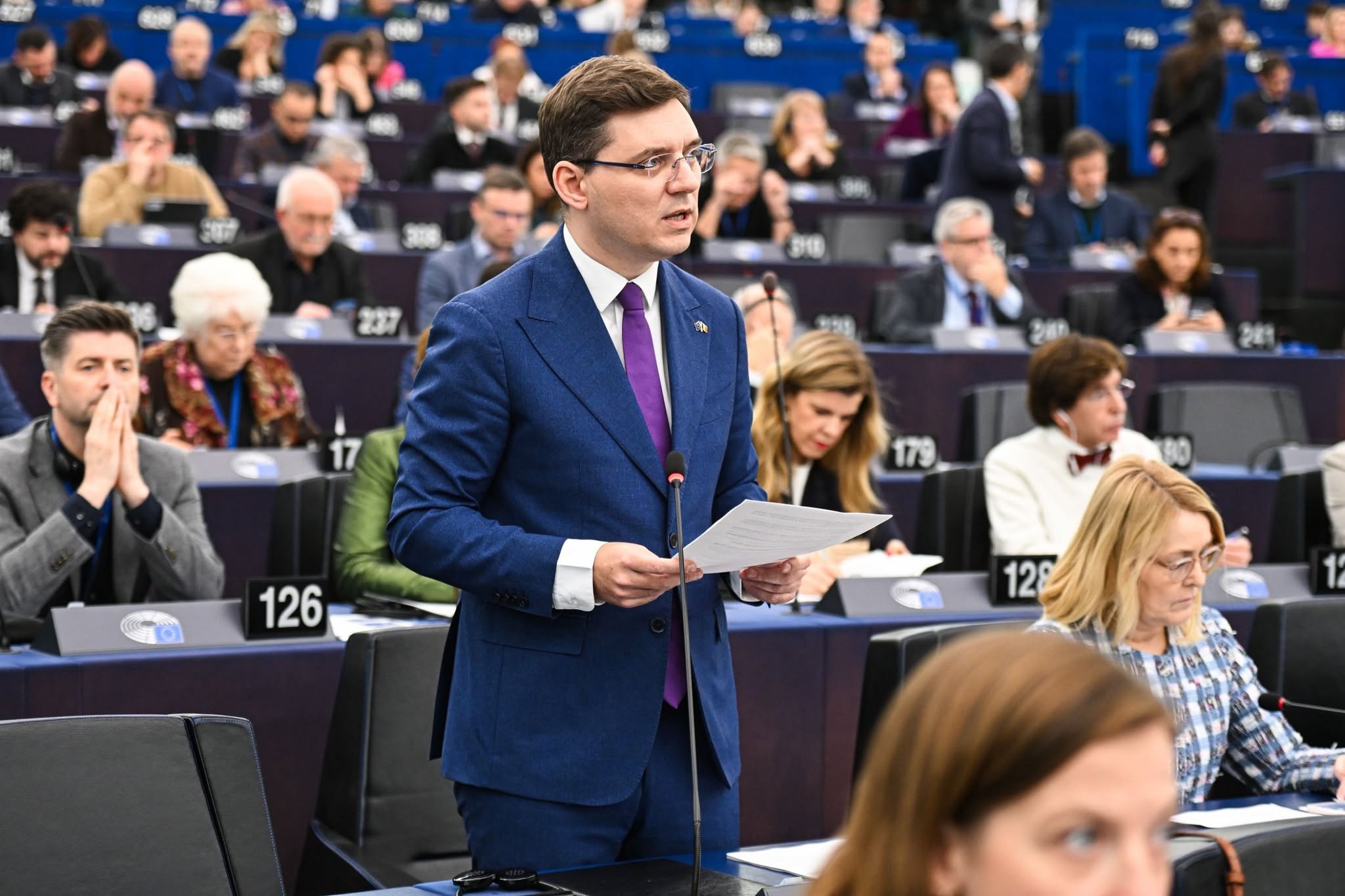
These figures were presented in the European Parliament by the European Commission and the European Court of Auditors during a joint meeting of the Committees on Budgets and Economic Affairs on monitoring the RRF. Victor Negrescu took part in this meeting in a triple capacity: as a member of the Committee on Budgets, as rapporteur on the implementation of the EU-wide recovery and resilience plans, and as the author of the amendment through which the European Parliament requested a minimum allocation of 10% for education in national recovery and resilience plans.
When people ask, “So, what have you actually done in the European Parliament?” the answer is: “I managed to bring European money to education. A lot of it. A whole lot.”
“I’m truly glad that today’s meeting on the Recovery and Resilience Facility is focused on education and, in particular, on the 10% allocation dedicated to this essential sector. I’m proud to have authored the amendment by which the European Parliament called for a minimum allocation of 10% for education in national recovery and resilience plans — an initiative that has led to over €70 billion programmed for investment in education and skills development across the European Union,” Victor Negrescu stated during the meeting.
The Vice-President of the European Parliament addressed not only the officials and civil servants attending the meeting, but also European citizens.
“So, what have you actually done in the European Parliament?” I hear this question often. On the street, on television, even from acquaintances. Well, here’s something concrete: I managed to bring European money to education. A lot of it. A whole lot,” MEP Negrescu posted on social media.
The positive impact of these measures, according to an evaluation by the European Commission and the European Court of Auditors, the guardian of the EU’s finances
According to evaluations by the European Commission and the European Court of Auditors, the RRF directly allocated €52.6 billion to education, with an additional €23 billion going to training — together amounting to 11.5% of the total budget — and contributed to major structural reforms: Croatia expanded access to early and primary education, Italy completely reformed vocational education, Slovakia modernized school curricula and invested in teacher training, while Spain transformed its universities to better align with labor market and research demands. These reforms were part of Pillar 6 – Policies for the Next Generation, which encompasses over 650 objectives.
“As a result of this effort, more than 30 million people have already benefited from education and training opportunities supported through the RRF. This figure speaks for itself regarding the positive impact of the European Parliament’s request — even though the Commission and Council were not initially favorable to this proposal,” emphasized the Romanian MEP, also warning of the need for continuity.
“Education is not just a budget line; it is a strategic investment in Europe’s resilience, especially in light of the rapid transformations we’re witnessing in research, innovation, and the labor market,” he continued.
In practical terms, nearly 70% of the RRF-funded education investments targeted access, quality, and inclusion through digitalization, curriculum reforms, modern equipment for schools, teacher training, and the development of digital skills. By mid-2025, almost 60% of educational milestones and targets are expected to be met. Among the results: 2.7 million new or renovated classroom spaces, and millions of young people, adults, and teachers supported.
Victor Negrescu questions the European Commission on continuing education investments
Nevertheless, the Court of Auditors’ report also highlights persistent challenges: in some member states, implementation was hampered by structural issues such as weak connectivity, lack of digital equipment, or cases where EU funds replaced rather than complemented national investments. Furthermore, monitoring tools were introduced late and focused primarily on quantitative outcomes.
For this reason, MEP Victor Negrescu addressed two direct questions to the European Commission during the meeting:
“Could you detail the measurable impact of the 10% allocation for education among EU member states? Are there any specific projects or successful reforms that, in your view, should be continued under future EU funding frameworks?” and “What mechanisms exist — or could be improved — to ensure better monitoring and compliance with this 10% objective, especially in light of the lessons learned from the initial implementation phase?”
In concluding his intervention, Negrescu emphasized: “The 10% allocation for education is more than a political commitment — it is a foundation for the Europe we want to build. We cannot speak of resilience or competitiveness without investing in people. Let’s ensure that this priority is not only maintained but strengthened in the next Multiannual Financial Framework.”
“For me, education is not just a paragraph in a budget. It’s about the future. About children. About giving everyone a fair chance to succeed, no matter where they come from. I will continue to fight for education to remain a priority in Europe. Because that’s what a strong Europe and a fairer Romania mean,” concluded the Vice-President of the European Parliament.