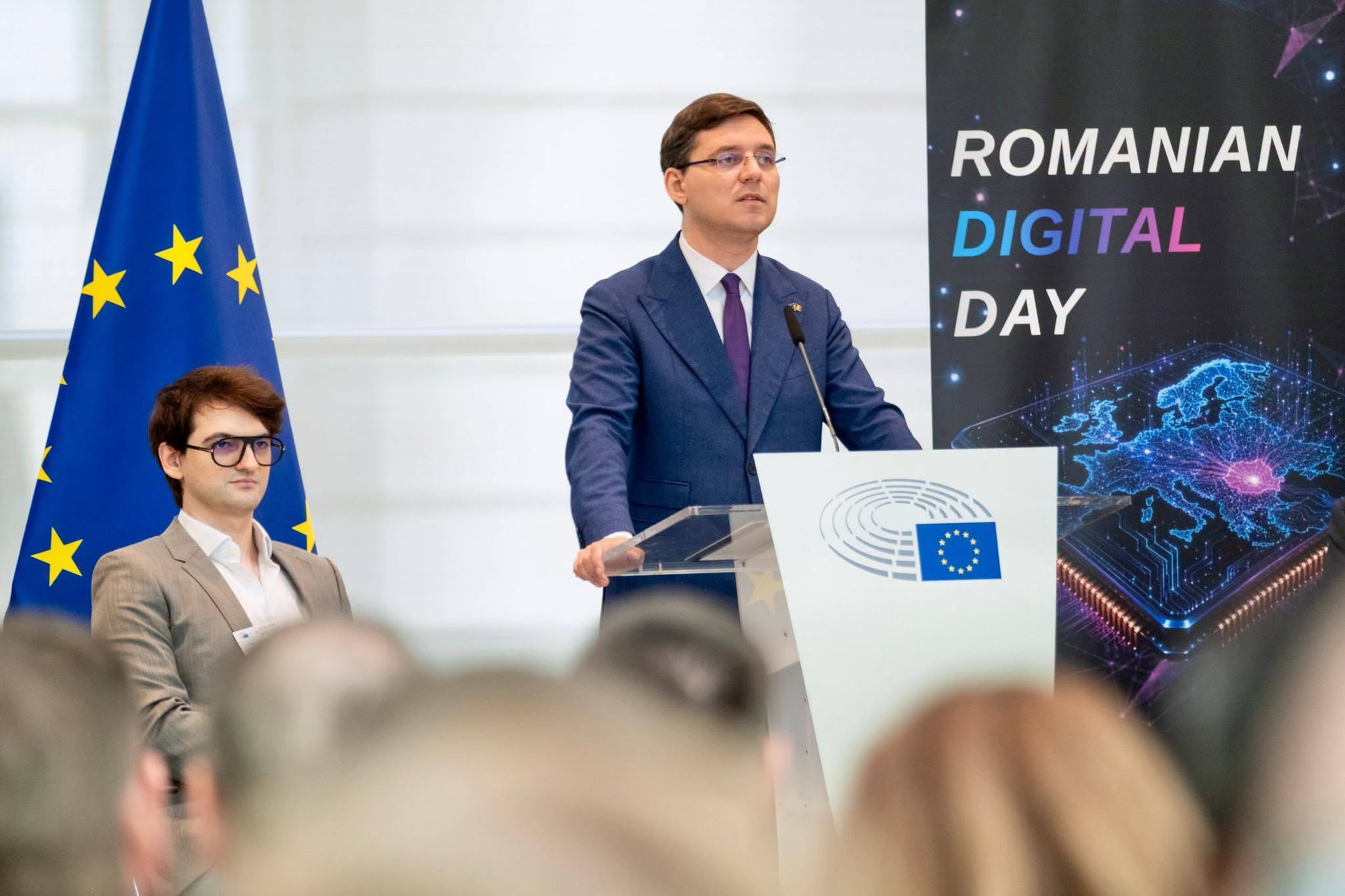
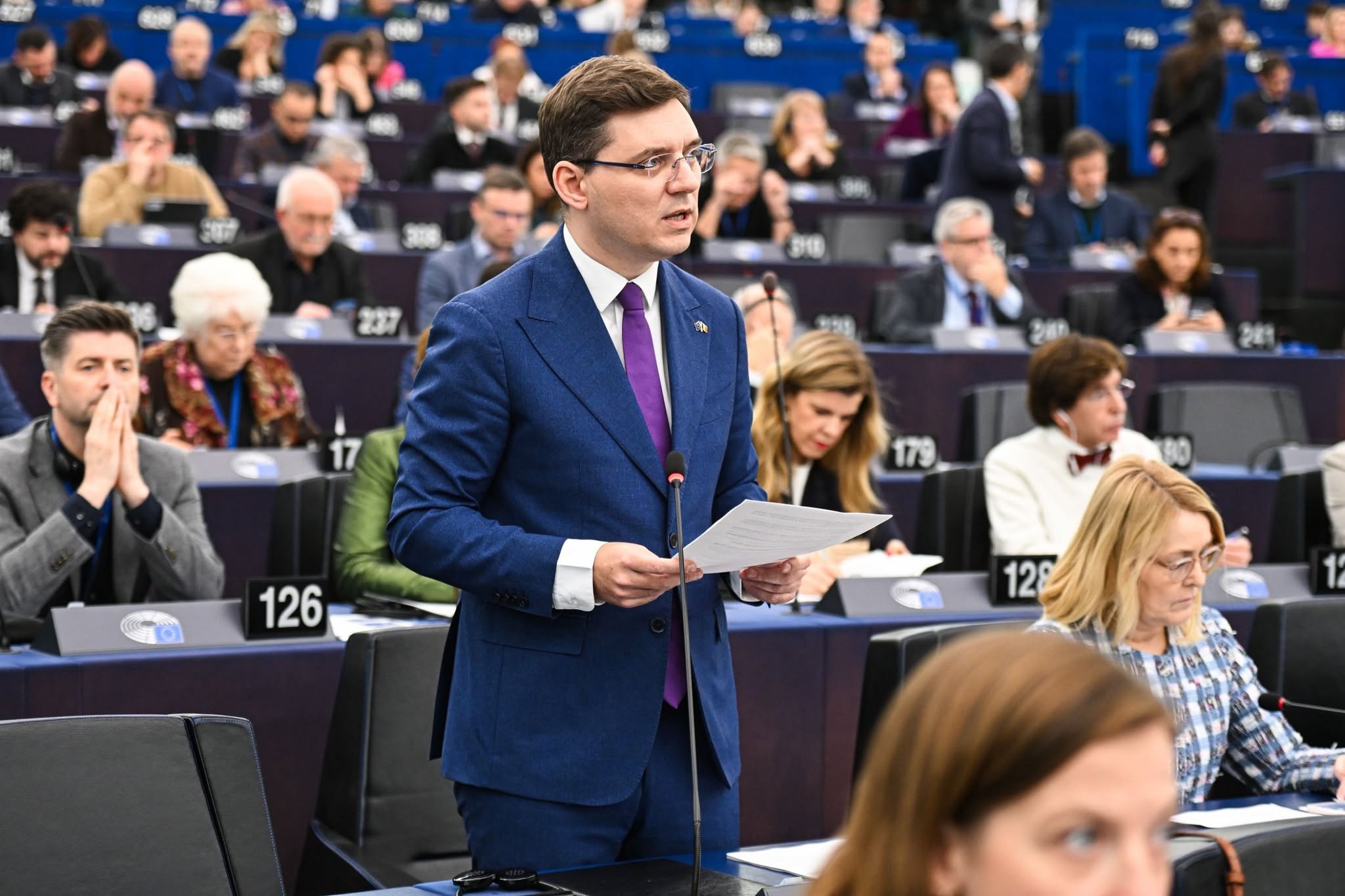
The Vice-President of the European Parliament, Victor Negrescu, vehemently rejects the ”NRRP-ization” of structural funds in the future multiannual financial framework for the period 2028-2034. In a speech from the tribune of the European legislature, he defended the Cohesion Policy, calling for compliance with European treaties.
”Cohesion policy is irreplaceable. It cannot be merged, diluted, or made conditional on non-transparent criteria. It must remain as stipulated in the European treaties. Our localities and regions have developed thanks to these funds. That is why I am saying a clear STOP to the <<NRRP-ization>> of structural funds”, said Victor Negrescu. In this context, the MEP has taken several actions to show that ”only through simplification and by listening to the direct beneficiaries we can save European money and build a more efficient program”.
Equally, the amendments proposed by Victor Negrescu, such as greater flexibility and the possibility of transferring part of the unspent funds to new financing needs, particularly to infrastructure, areas affected by disasters, or innovative projects, were accepted by the rapporteurs responsible for the reform of cohesion policy.
”We must protect this European policy”, concluded the Vice-President of the European Parliament.
The European Commission has proposed a multiannual budget of €2 trillion for the period 2028-2034.
The future multiannual EU budget envisages a merger of traditional policies, the common agricultural policy, and cohesion policy.
Member States will therefore be required to submit national and regional partnership plans in order to access the respective funds, following the model of the National Recovery and Resilience Plans.
The European Parliament, as well as several member states, have already expressed their disapproval of the changes and rejected the merging of the two policies, cohesion and the common agricultural policy.