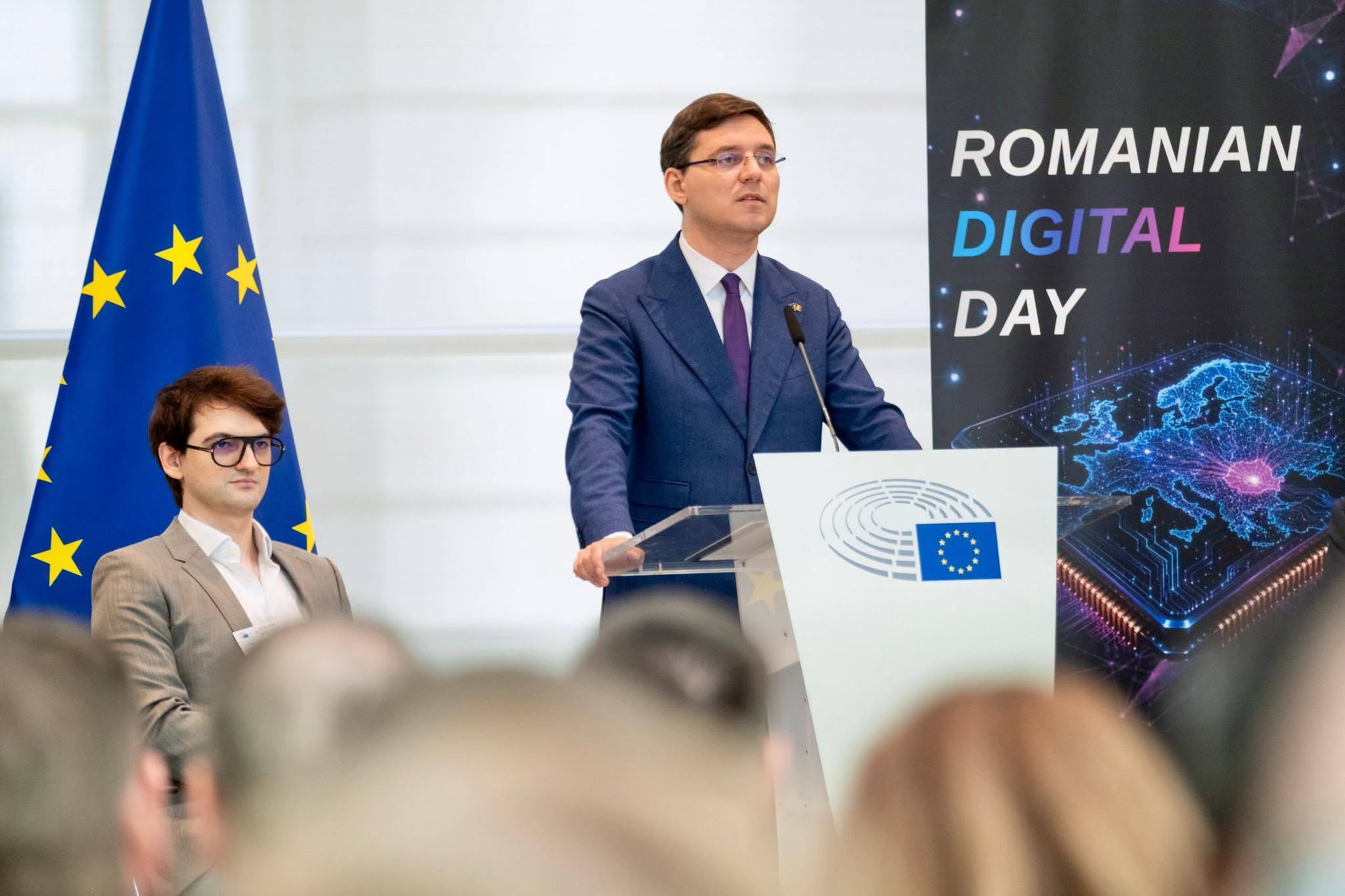
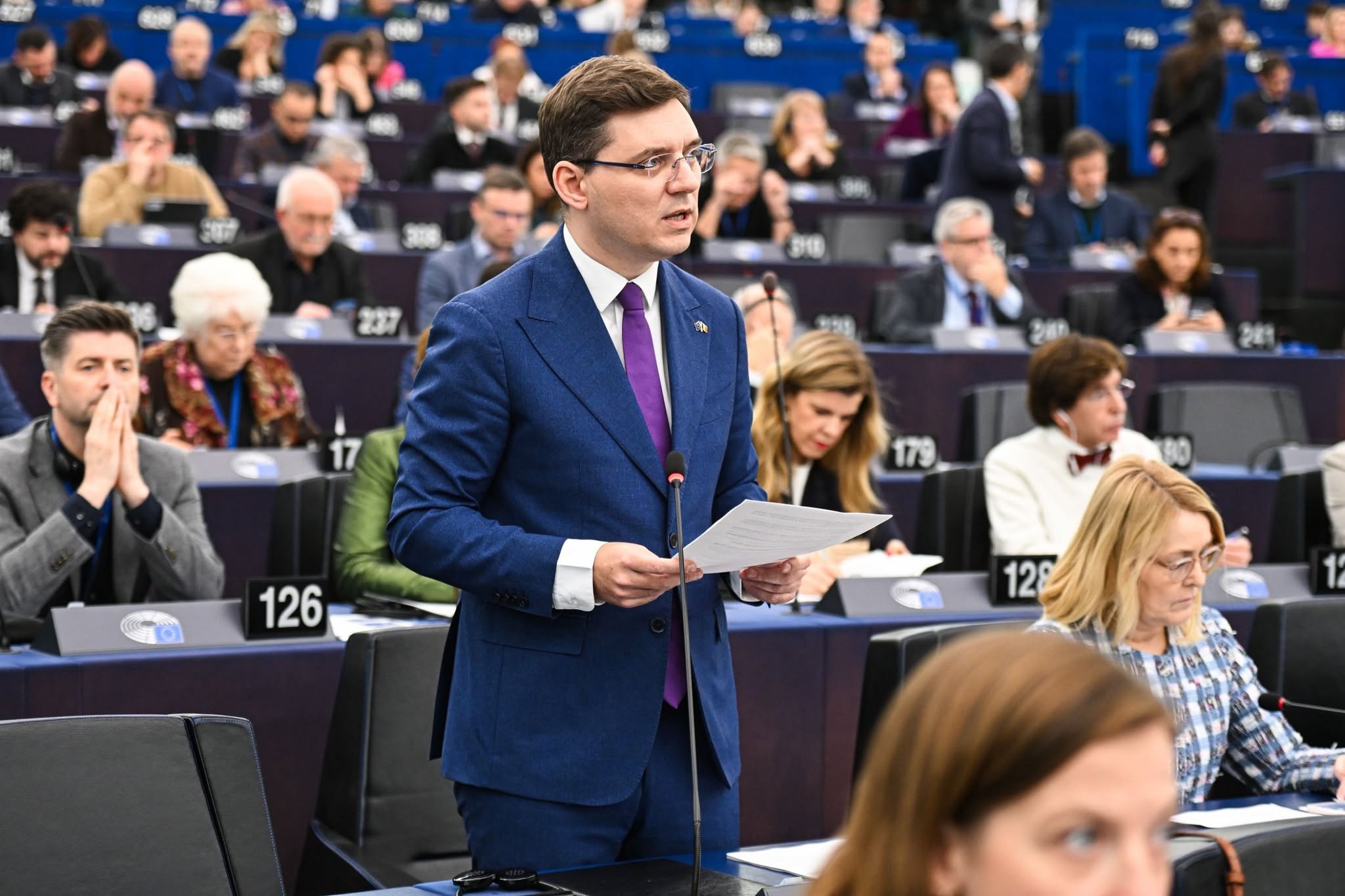
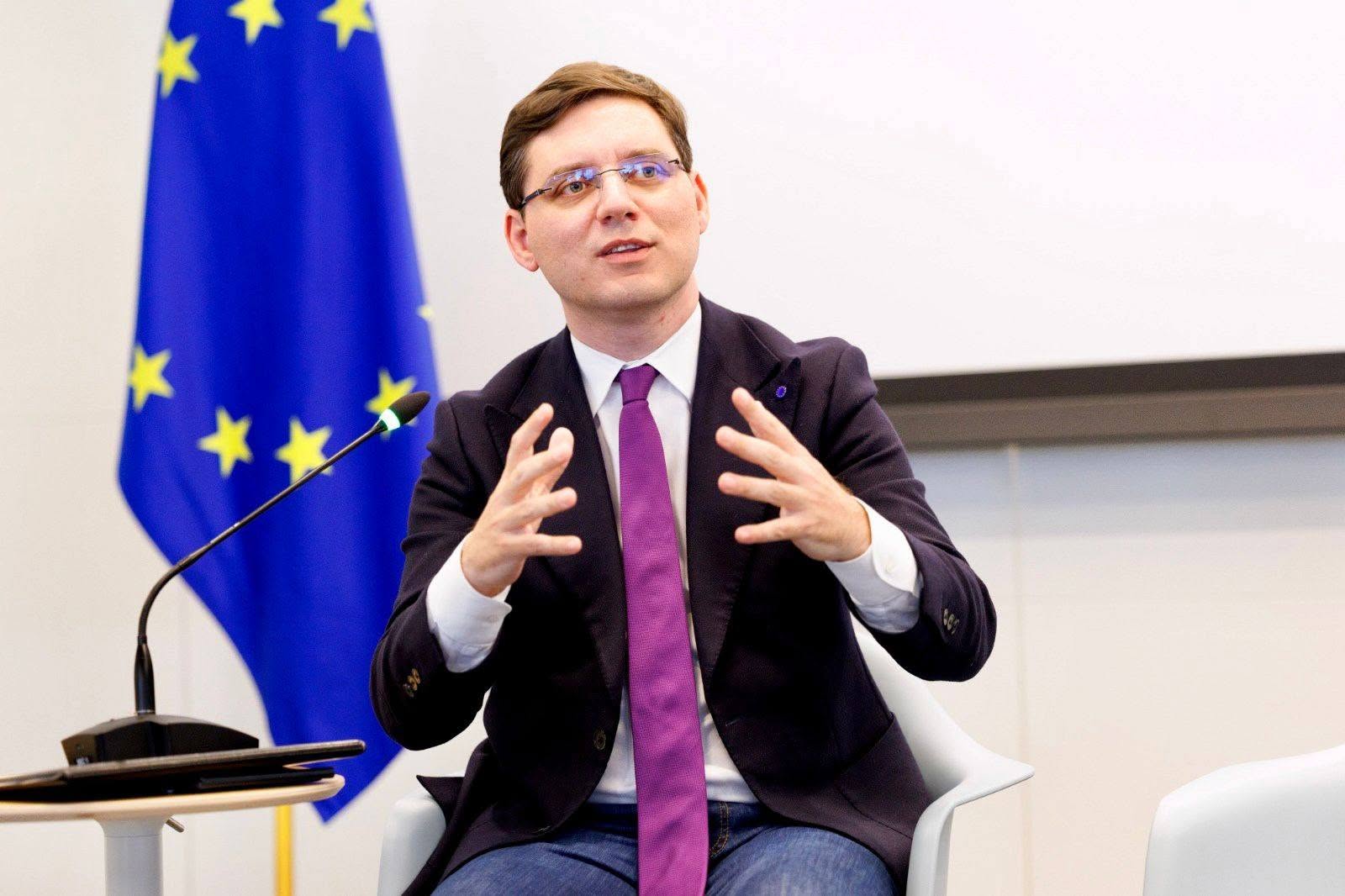
The Vice-President of the European Parliament, Victor Negrescu, has issued a strong call for the creation of a regional initiative on education and innovation during the fifth edition of the Green Transition Forum, held in Sofia in June.
As co-chair and co-initiator of the European Parliament’s first intergroup dedicated to education and skills, he emphasized the urgent need for major investments in skills development and vocational training to support an inclusive digital and green transition in Central and Eastern Europe.
“Europe risks losing the race for competitiveness if it does not seriously invest in people. Without specialists, without digital skills, without education adapted to new realities, the technological and digital transitions remain nothing but plans on paper,” warned Victor Negrescu.
The Vice-President of the European Parliament noted that the gaps in professional training in the region are alarming, whether it concerns emergency response training, artificial intelligence education, or basic digital skills. In Romania and Bulgaria, less than a third of the population has basic digital competencies, and many regions remain disconnected from these advances.
To address these challenges, Victor Negrescu called for:
- the launch of a regional initiative for education and innovation in Central and Eastern Europe,
- a more inclusive Erasmus 2.0 program, more accessible to young people without higher education and from less developed regions,
- allocating 20% of the EU’s next Multiannual Financial Framework to education and training.
In his view, education is “an investment in Europe’s economic future,” complementary to investments in social infrastructure, such as dormitories, campuses, and vocational training centers.
“Every euro invested in infrastructure must be matched by a euro invested in skills. Otherwise, we risk having projects without people ready to implement them,” said the Vice-President, stressing that Europe is ready to make the necessary investments.
“I have proposed innovative financial solutions to support young people: from funding for student housing to accessible scholarships and support through the InvestEU program. With guarantees provided by the European Commission, young people across Europe could benefit from real access to education,” Negrescu pointed out.
As the European Union’s chief negotiator for the 2025 budget, he secured:
- an increase of €30 million in funding for InvestEU, bringing the total to €378 million,
- an additional €422 million for the Erasmus+ program,
- pilot projects worth over €100 million in education, health, digital, and entrepreneurship,
- as well as proposals to boost funding dedicated to digital education and AI training, especially for rural or remote areas.
Taking into account the existing financial resources, Victor Negrescu called for bold measures and less red tape within the European Union:
“Europe needs less bureaucracy and more courage. If we want to be ready for the future, we must train the people who will build it. Without investment in skills, we cannot talk about a competitive Europe,” concluded the Vice-President of the European Parliament.