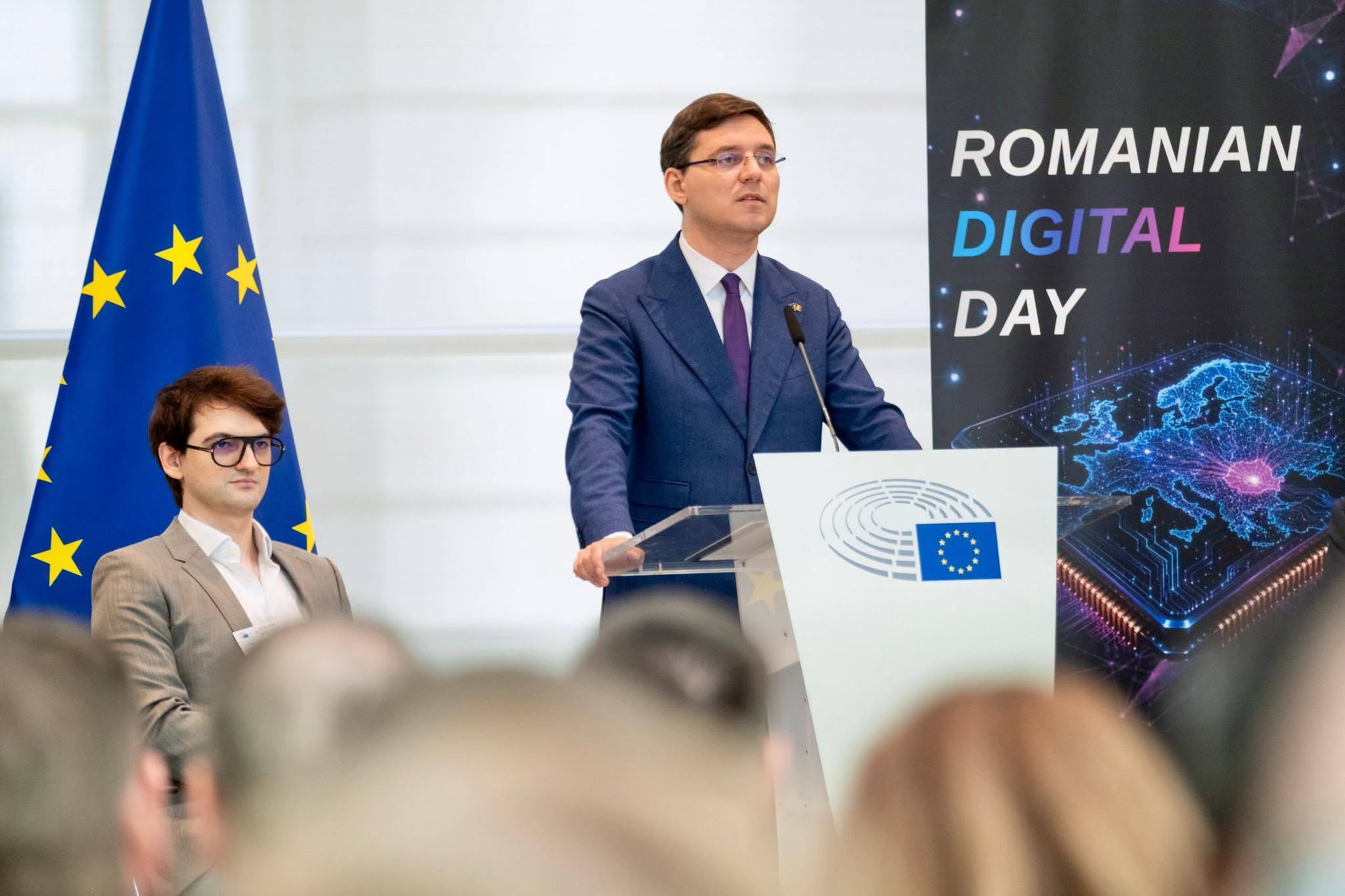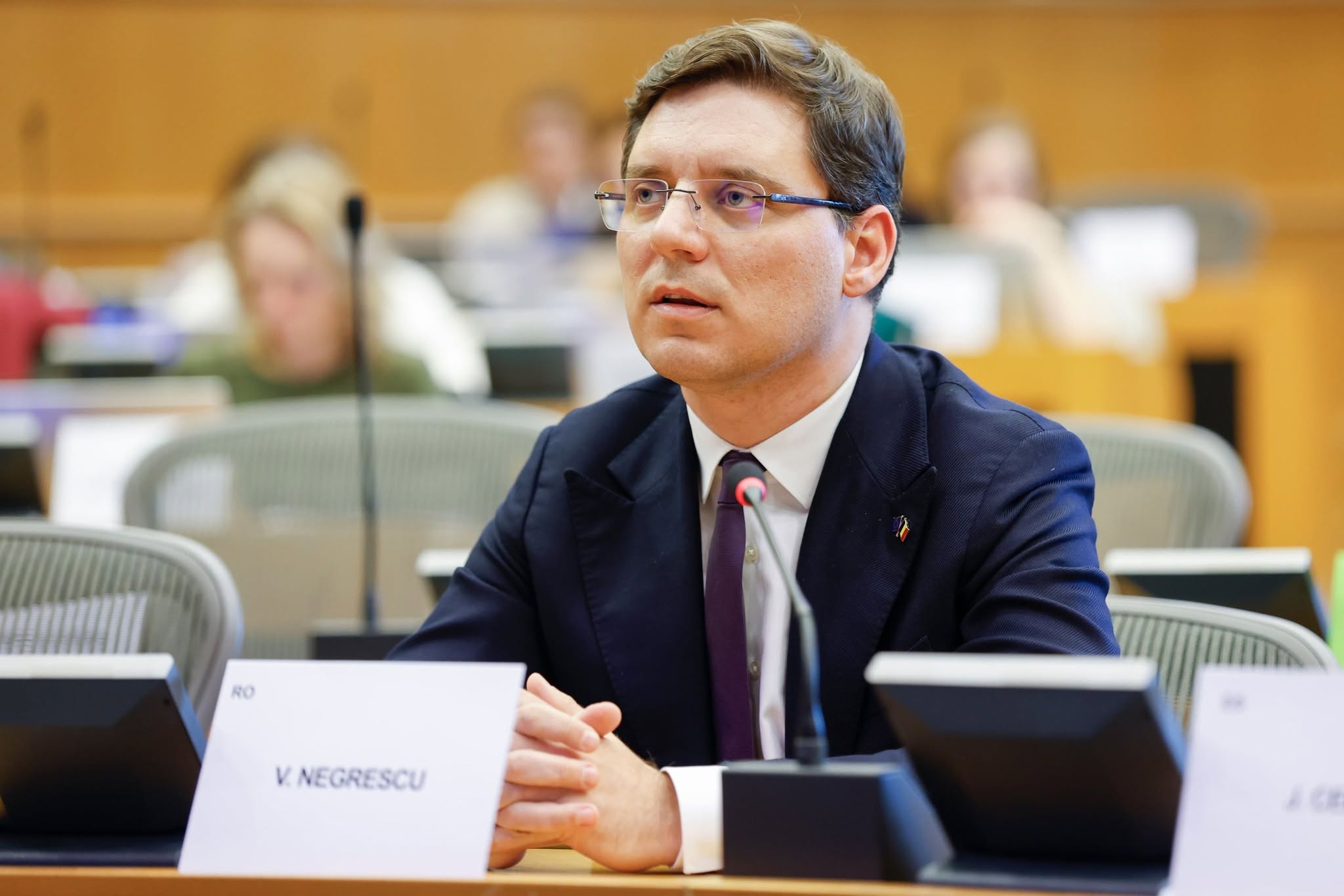
European Parliament Vice-President Victor Negrescu has secured the backing of Parliament’s Committee on Public Health (SANT) for key proposals aimed at strengthening healthcare funding in the European Union’s post-2027 budget. As rapporteur for the committee’s opinion on the future National and Regional Partnership Plans, he successfully introduced measures supporting the inclusion of a dedicated health chapter and a minimum allocation of €20 billion for health policies, reinforcing health as a strategic priority in the next Multiannual Financial Framework.
Opening the debate in the Committee on Public Health, Negrescu recalled that the committee had not initially intended to issue an opinion on the file. He argued that without a strong position from the Parliament’s health committee, healthcare risked being overlooked in the negotiations on the EU’s future investment priorities.
”First of all, I would like to thank everyone for agreeing to my proposal to prepare an opinion from the Committee on Public Health on the future National and Regional Partnership Plans. Initially, the Committee on Public Health did not intend to issue an opinion, and I fought to ensure that it did, because without a strong opinion from this committee, health would not be considered a relevant issue in this important file,” Victor Negrescu said.
Following negotiations with the shadow rapporteurs of the political groups, the committee endorsed a strengthened compromise calling for a dedicated health chapter in the future National and Regional Partnership Plans, alongside concrete measures to reinforce healthcare systems throughout the European Union.
„We have managed to produce an ambitious report that clearly underlines the need for adequate funding for health in the future National and Regional Partnership Plans, as well as the need for greater ambition when it comes to health within these plans. After intensive negotiations, we succeeded in integrating a clear request for dedicated health chapters,” Victor Negrescu stated.
One of the key compromises secured during the negotiations is the call for a minimum allocation of €20 billion for healthcare policies under the future National and Regional Partnership Plans, representing around 25% more than the funding available under the current Cohesion Policy programming period.
”We are also calling for a minimum allocation of €20 billion for health policies, which I believe is a key compromise that we have managed to secure. This represents a significant increase compared to the current Cohesion Policy framework, and we will defend this agreement throughout the negotiations that will continue on the future National and Regional Partnership Plans,” Victor Negrescu stressed.
The adopted opinion supports investments in hospitals, primary healthcare, local health infrastructure, emergency medical services, ambulance fleets, radiotherapy, mental health, paediatric and neonatal care, as well as measures to address healthcare workforce shortages through training, digital skills, retention and support for medical professionals working in underserved and rural areas.
It also promotes investment in prevention, screening programmes, health education, telemedicine, rural healthcare, research and innovation, the responsible use of artificial intelligence in healthcare, strategic stockpiles of medicines and medical equipment, and stronger cross-border cooperation for rare diseases and highly specialised care.
Beyond Cohesion Policy, Negrescu has also proposed strengthening healthcare within the future EU budget by creating a dedicated European Cancer Fund worth at least €2 billion, as well as a dedicated health strand within the future Competitiveness Fund to improve access to innovative treatments.
Access to medicines remains another key priority. Negrescu has consistently advocated for stronger European cooperation to ensure that patients across the Union benefit from timely and equitable access to medicines, medical technologies and innovative treatments.
”I am a strong supporter of joint procurement mechanisms at European level for certain categories of medicines and medical equipment. I want every European patient to have access to the best medical services and the best available treatment,” he said.
For Victor Negrescu, strengthening Europe’s healthcare systems also means reinforcing the Union’s pharmaceutical resilience and reducing strategic dependencies.
”Yes, Europe is far too dependent on imports. Yes, we need to rebuild Europe’s pharmaceutical industry. Yes, we need investments, local production, strategic stockpiles and equitable access to treatments. But the question is simple: how do we make these things happen concretely and as quickly as possible? Because patients cannot wait for years while we finish our debates. Europe must act now, with greater ambition, investment and responsibility,” Victor Negrescu highlighted.
The Romanian MEP underlined that the vote in the Committee on Public Health marks an important step in shaping the European Parliament’s negotiating position on the future National and Regional Partnership Plans and the EU’s next long-term budget.
”The negotiations are only just beginning, and I am confident that health will occupy an important place in the future plans with your support. Last week’s vote sends a clear message to the other parliamentary committees involved,” Victor Negrescu concluded.