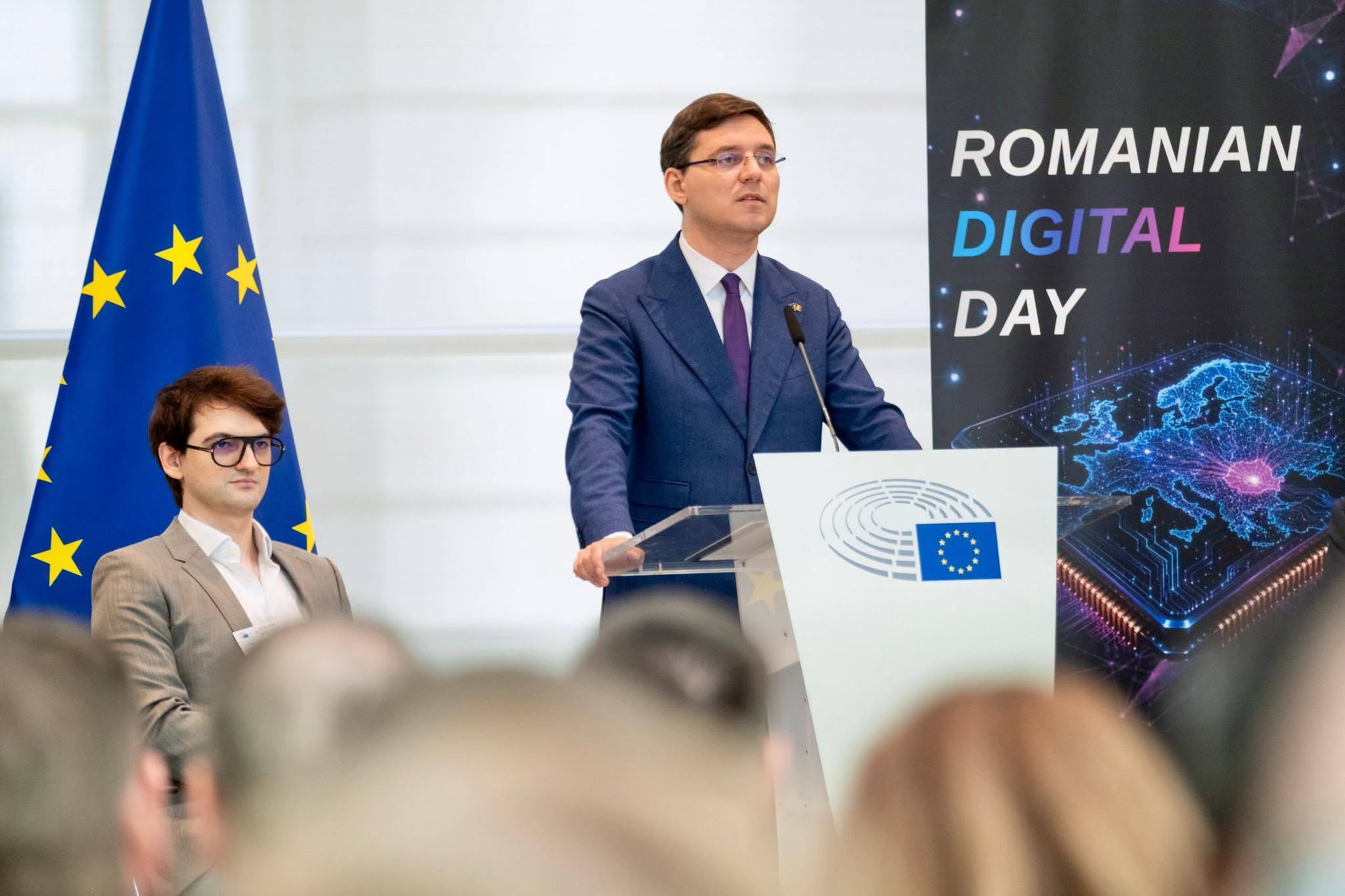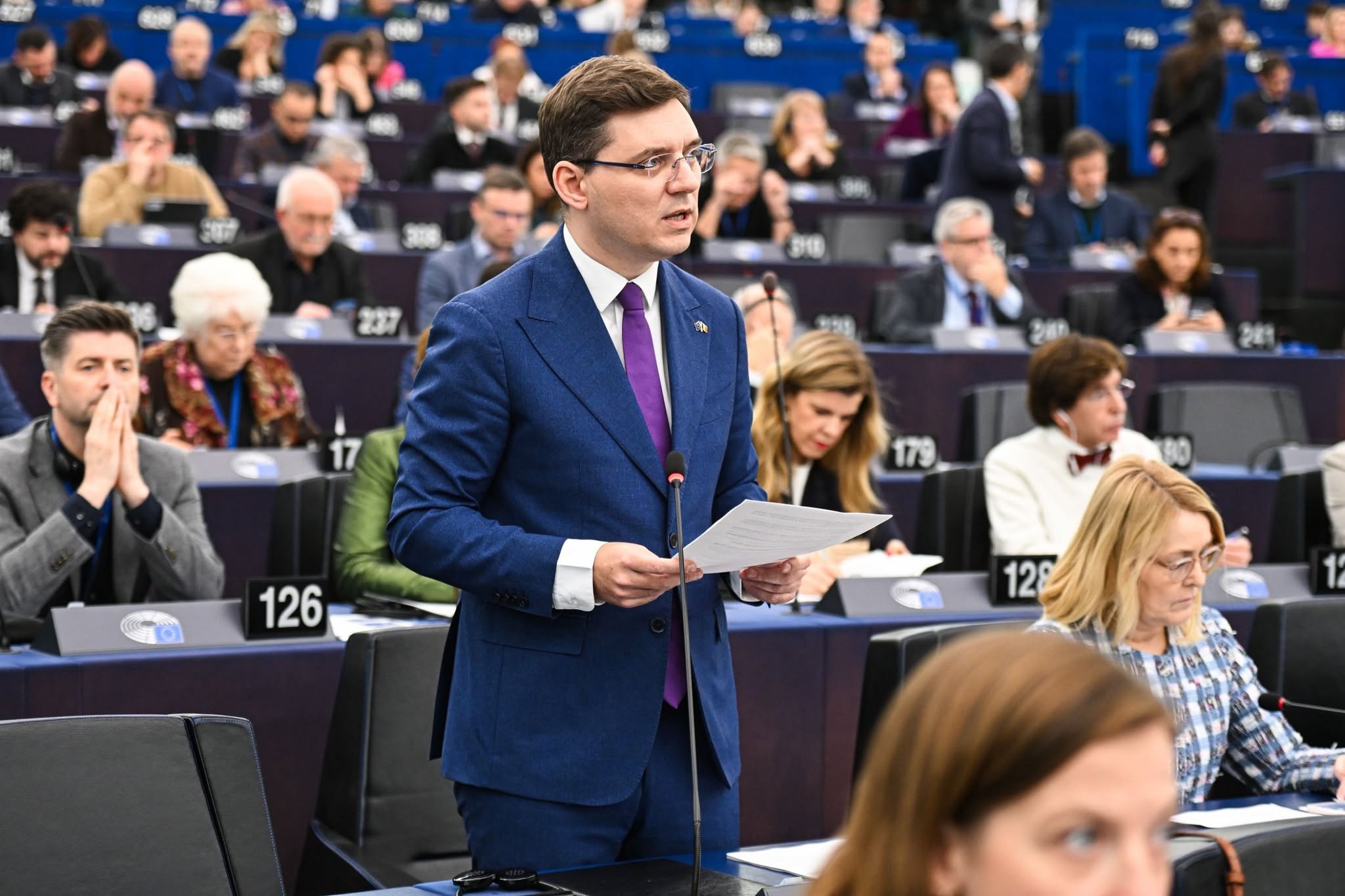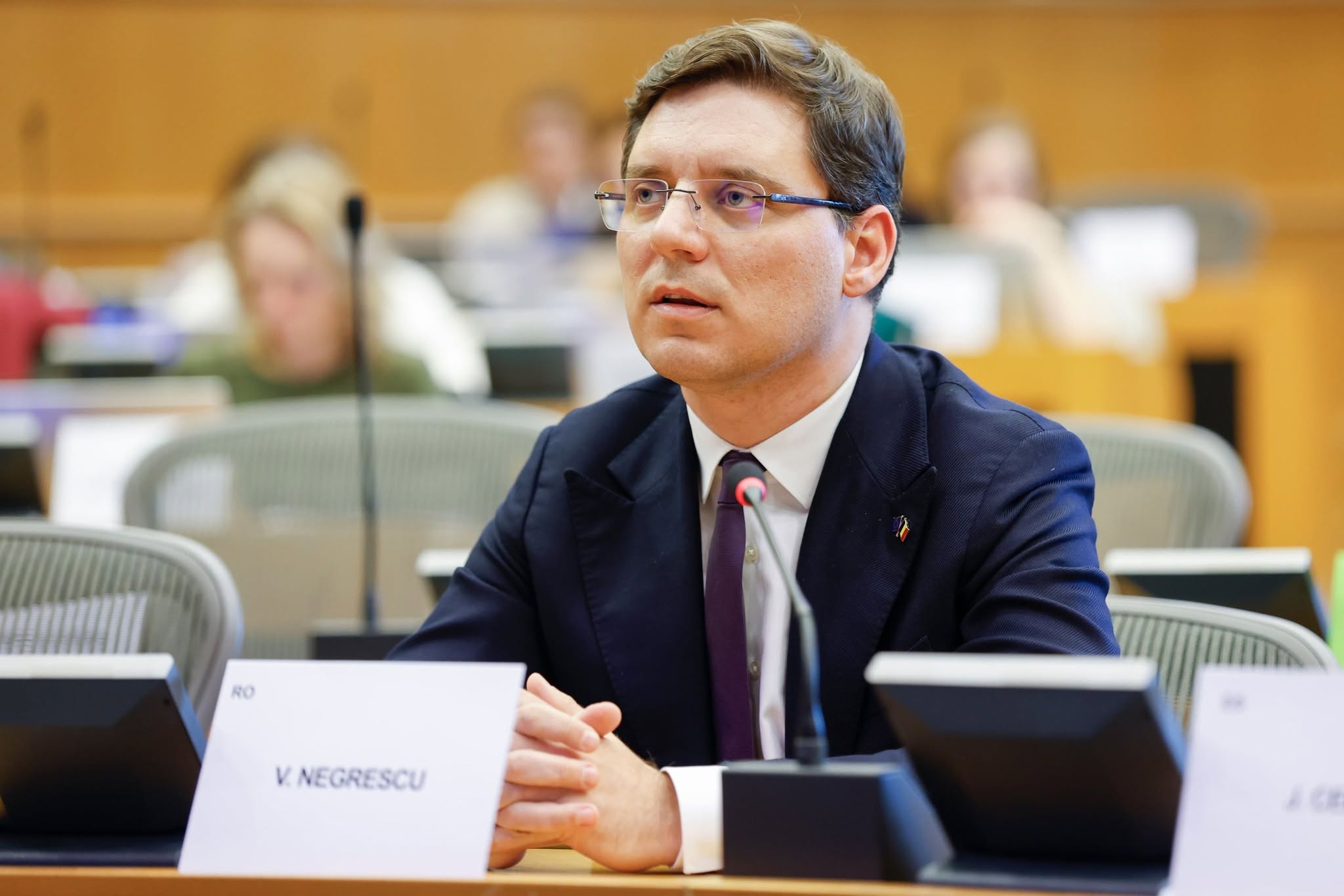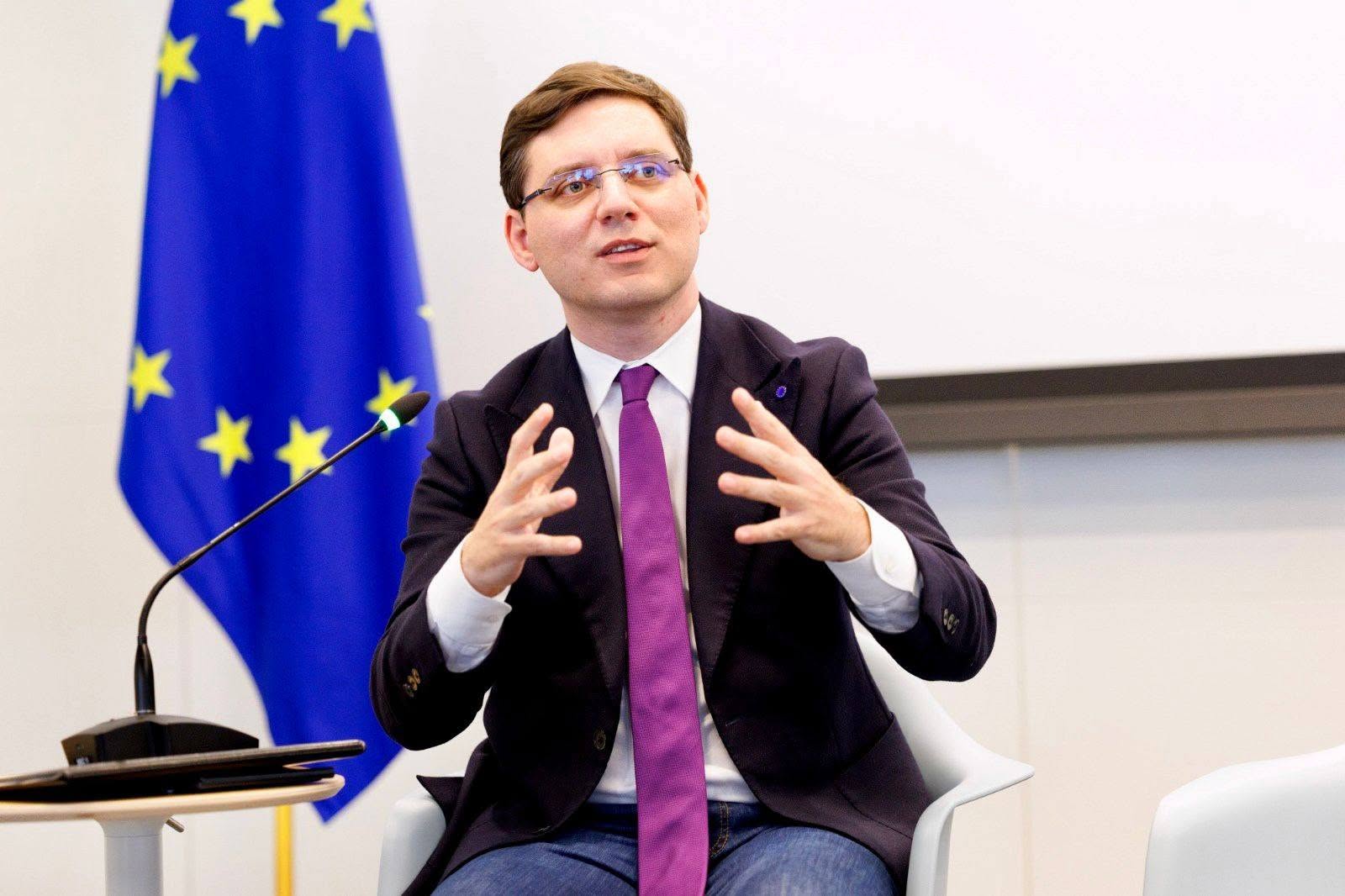
Artificial intelligence is rapidly becoming one of the main drivers of economic competitiveness, technological leadership and geopolitical influence. As governments and companies invest unprecedented resources in AI infrastructure and innovation, a fundamental question is emerging: will Europe and the United States pursue separate paths, or will they build a genuine transatlantic partnership capable of shaping the future of technology?
For European Parliament Vice-President Victor Negrescu, the answer is clear.
”The United States and Europe cannot win separately against China. In the global race for artificial intelligence, competition should not be between allies”, he argues.
According to Negrescu, Europe and the United States must remain in dialogue and seek common solutions in strategic sectors ranging from artificial intelligence and digital infrastructure to technological security and industrial competitiveness. As the global race for innovation accelerates, he believes cooperation among democratic partners will be essential to maintaining technological leadership.
The European Union is preparing major investments in artificial intelligence, including the future Competitiveness Fund, expected to mobilise hundreds of billions of euros from 2028 onwards. In parallel, the European Commission plans to support the development of AI gigafactories capable of training next-generation models.
Against this backdrop, Negrescu believes policymakers must decide whether these investments will evolve through separate ecosystems or through stronger transatlantic cooperation.
”I think we have to define how those investments are going to happen, whether they will be only European-focused, as we see [those] here are only U.S.-focused. Or we can have transatlantic dimension to those kinds of investments,” says Victor Negrescu.
For the European Parliament Vice-President, cooperation across the Atlantic is becoming a strategic necessity. As artificial intelligence increasingly depends on investment, infrastructure and critical resources, Europe and the United States cannot afford to ignore their interdependence.
This is why Negrescu rejects the idea that policymakers must choose between innovation and safeguards. In his view, both objectives must advance together.
”It’s not about having a fight between safety and speed. It’s about making sure that the speed that we take does not make us hit a wall too fast,” explains Negrescu.
This approach also shapes the ongoing debate surrounding Europe’s AI regulatory framework. While acknowledging that some procedures could be simplified, particularly to help SMEs innovate and scale more easily, he argues that simplification should not come at the expense of trust, transparency and accountability.
“Where I think we need to simplify is clear: market access. I think there we have to show more flexibility, allowing SMEs to participate and innovate. I think there is room for improvement when it comes to the AI Act. Testing is also something where we can simplify. But when it comes to large deployment, I don’t see us simplifying,” says Victor Negrescu.
Yet artificial intelligence cannot be separated from broader questions related to energy security, industrial capacity and strategic supply chains. During his discussions in the United States, Negrescu observed that the interdependence of Western economies is already visible at the level of companies and research institutions, even if it is not always reflected in public policy debates.
”At the legislative level, it seems that people are ignoring how dependent we are on each other and the potential that exists if we put our brains together,” notes Negrescu.
He believes this cooperation should move beyond dialogue and take concrete form.
”We should potentially identify one or two common initiatives where we could lead globally,” he argues.
One area where such cooperation is becoming increasingly important is access to critical minerals and raw materials, which are indispensable for semiconductors, batteries, digital infrastructure and advanced technologies.
”I think cooperation on raw materials and minerals is crucial, and we have to see how we can do that together, because this is global competition. You can be the most powerful country in the world [and] it is still difficult to cover all those issues by yourself,” stresses Victor Negrescu.
For Negrescu, the challenge facing Europe and the United States is not only technological but strategic. As competition for leadership in artificial intelligence intensifies, democratic partners will need to combine their investments, innovation ecosystems and industrial strengths if they want to remain globally competitive.
”Imagine what we could achieve by bringing together our investments, our innovation ecosystems and our ideas. Together, we can win this race,” concludes Victor Negrescu.